Protecting Your Self-Esteem Is Part of Quitting Smoking: Why Guilt Doesn't Belong in Treatment
Why protecting a patient's confidence matters just as much as the treatment itself, and why relapsing doesn't mean you lack willpower
You're not weak.
You probably just tried to quit at the worst possible time in your life.
For more than thirty years, I've sat with thousands of stories. Some ended in success; others, in another frustrated attempt. But over time I came to realize the real problem wasn't that so many people went back to smoking. What actually worried me was what happened after that failure.
1Protecting a Smoker's Self-Esteem Matters Just as Much as Quitting
Most patients walked out of my office convinced they'd failed because they lacked willpower. I heard the same lines over and over: "I just don't have it in me," "I'm too weak," "everyone else can do this but me." Every one of those words left a wound much deeper than the nicotine dependence itself. The cigarette could be put out. The guilt stuck around for years.
That's when I understood my job wasn't just to help someone quit smoking. I also had to protect something far more valuable: their self-esteem. Because when a smoker loses confidence in themselves, the damage can spread well beyond tobacco. It can affect how they take on new challenges, how sure they feel making decisions, their relationships with family, their work, even how they see themselves.
"Protecting a smoker's self-esteem is a treatment goal in its own right."
From that point on, I held onto a conviction I never let go of. I don't accept a treatment, however well-intentioned, that leaves a patient convinced they're incapable. My job as a doctor is exactly the opposite: protect their confidence while we work together to find the best path to quitting for good.
2You're Not Weak: You Probably Just Tried to Quit at the Worst Possible Time
A lot of people come into my office convinced they don't have any willpower. I don't usually start by talking about nicotine or medication. First, I try to understand what was going on in their life when they decided to quit. It's rare that I find a simple story. There are breakups, money troubles, illness (their own or a family member's), losses, work conflicts, or just a pile-up of worries that eats up every bit of emotional energy a person has.
Under those circumstances, quitting stops being just about breaking a habit. It becomes a massive demand on a body that's already fighting to stay afloat.
"Nobody would ask a shipwrecked sailor to let go of his only life jacket in the middle of the storm."

That's exactly what happens, more often than not, when a smoker tries to quit while going through one of the toughest stretches of their life. The problem isn't a lack of willpower. The problem is timing. That's why I developed the concept of Timing for Smoking Cessation. Timing doesn't mean waiting forever or looking for an excuse to put things off. It means recognizing there's a point when a person has enough emotional stability back for treatment to have a real shot at working.
Once you understand that, the guilt starts to fade. You stop seeing the past as a string of personal failures and start seeing it as attempts made when the conditions simply weren't right yet.
3Before I Help You Quit, I Want to Make Sure You Don't Lose Confidence in Yourself
There's one thing I've never accepted as a doctor: a patient walking away from treatment feeling worse about themselves than when they started. If an attempt fails and the only thing a smoker takes away is "I can't do this," the problem isn't just the cigarette anymore. That sense of failure can quietly start bleeding into other parts of life.
I've watched people lose faith in their ability to follow through on projects, give up on important goals, or feel embarrassed in front of their families because they promised to quit and couldn't. No treatment should cause that kind of harm when it's avoidable.
"The problem isn't a lack of willpower. The problem is timing."
That's why I put so much weight on protecting self-esteem throughout the whole process. I don't need to push anyone to quit today. I need to help them understand their situation, build their confidence, and set the stage so that when the right moment comes, the decision has a real shot at becoming a lasting success.
Sometimes the best thing a doctor can do isn't say "start today"; it's say "not yet, let's take care of everything else first." That might sound like a delay, but it's often the best way to protect a patient's future. My goal has never been to rack up attempts. My goal is to raise the odds of success by avoiding new emotional wounds that end up being harder to heal than the nicotine dependence itself.
4The Best Treatment Doesn't Always Start Today: It Starts When You Take Back Control of Your Life
After all these years focused entirely on smoking cessation, I've landed on a conclusion that changed how I work with every patient. Success doesn't depend only on the treatment you choose. It doesn't depend only on how many cigarettes someone smokes or how physically dependent they are. Very often, it comes down to the moment they decide to start that journey.
When stress stops calling the shots, when life gets back a bit of stability, and when a person feels capable of deciding for themselves again, that's when a real opportunity shows up. That's what I call Timing. That's when treatment stops fighting a patient's life and starts working with it.
"When the guilt disappears, confidence comes back."
That's why I'll never measure a person's worth by a failed attempt. My job as a doctor is to protect their self-esteem, help them see they're not weak, and remind them that a failure never defines who they are. It only means that wasn't the right moment. I always tell my patients the goal isn't to quit smoking on just any day. The goal is to quit on the day the odds of success are highest and the process doesn't leave a new emotional wound. Because when the guilt disappears, confidence comes back. And when confidence comes back, treatment stops being a fight against yourself and becomes the start of something new.
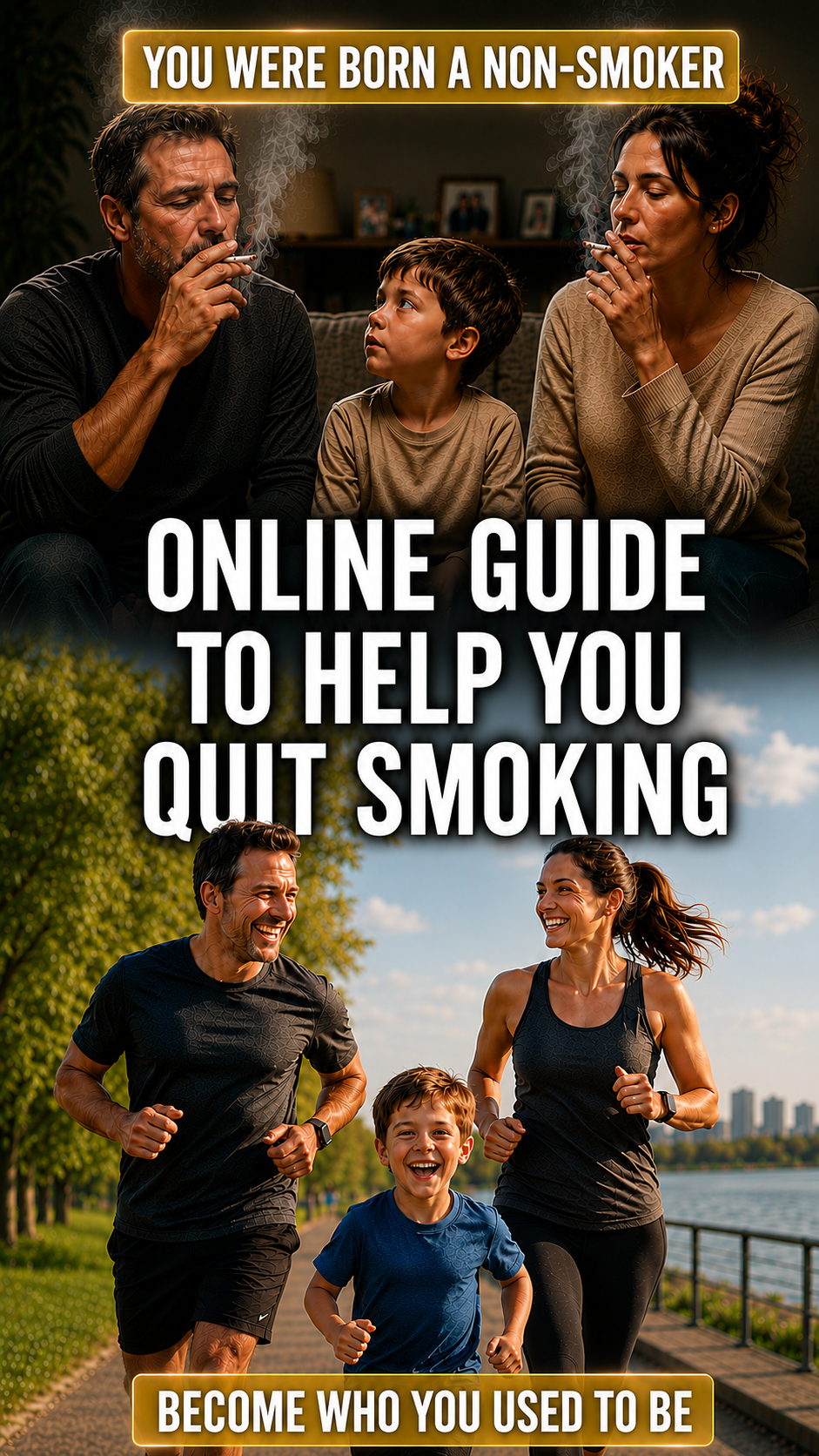
Online Guide to Help You
Quit Smoking
Get the answers you've been looking for.
Protecting a smoker's self-esteem is part of the treatment too. And often, it's the first step toward believing again that quitting really is possible.
STOPCIGARROS.COM DR. HUMBERTO PALLARES, MD
Creator of the Timing for Smoking Cessation Concept
 STOPCIGARROS.COM DR. HUMBERTO PALLARES, MD