Professional Biography
A career dedicated to understanding and supporting people who want to quit smoking
Professional Biography
Dr. Humberto Pallares, MD (Dr. Humberto Rossi Pallares, MD)
Physician specializing in smoking cessation · Founder of StopCigarros.com · Pioneer in private telemedicine for smoking cessation since 2009
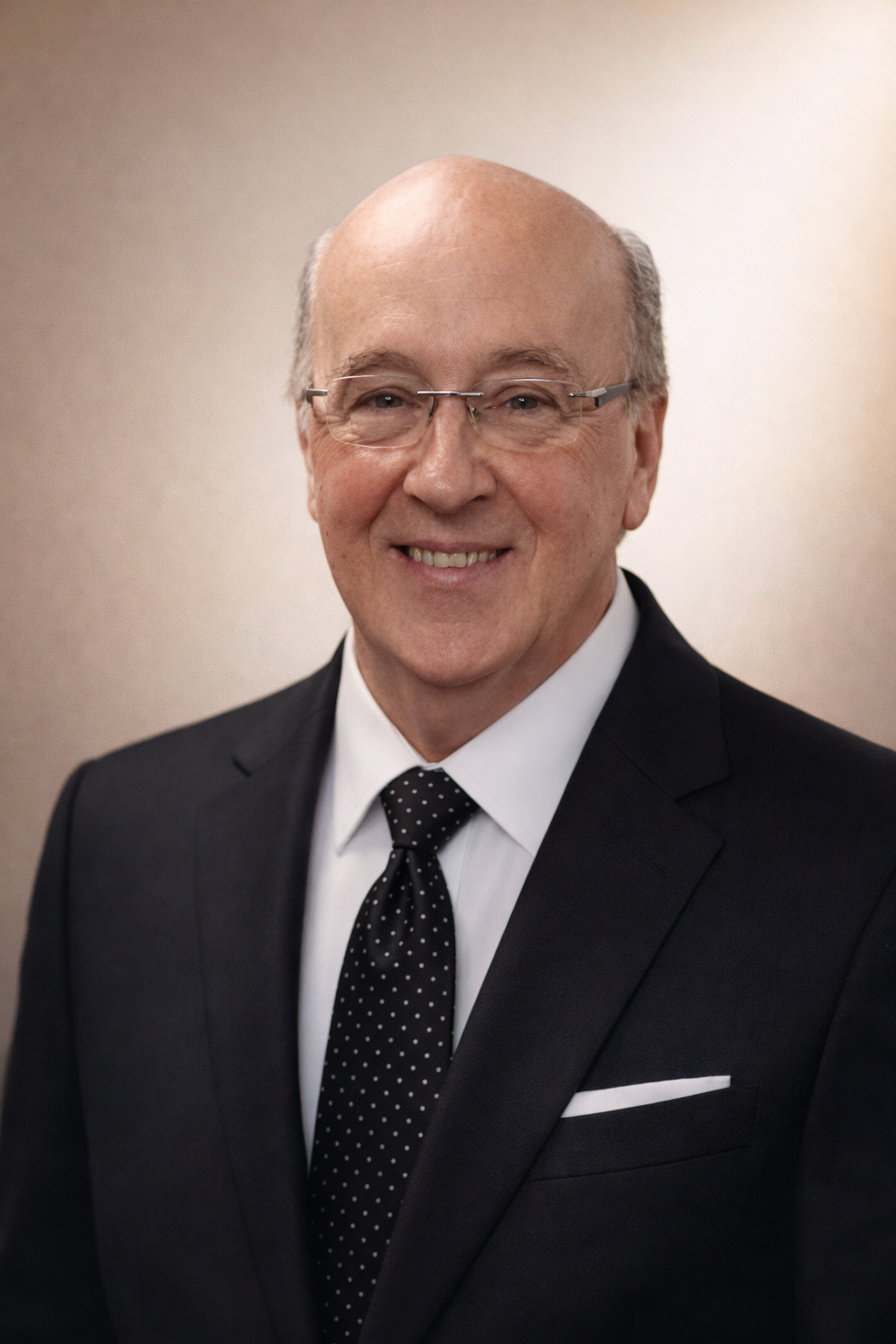
My story with smoking began long before I became a physician. As a young man, I was a smoker, and I experienced firsthand many of the contradictions faced by someone who wants to quit but feels unable to do so.
During the 1990s, as their treating physician, I cared for two of my uncles, both heavy smokers, through the final stage of lung cancer. That experience profoundly changed the way I viewed this disease. I stopped looking only at the organs that had been damaged and began paying closer attention to the person behind every diagnosis.
I came to understand that every smoker brings a personal story, a unique way of experiencing nicotine dependence, fears, guilt, previous attempts, and life circumstances that deserve to be heard. From that moment on, I decided that my work would not simply be about treating smokers, but about caring for people who also happen to smoke.
I have practiced medicine since 1987, and for more than thirty years I have devoted a large part of my professional work to smoking cessation. StopCigarros grew out of that journey: not simply to talk about cigarettes, but to support people who want to regain their freedom.
“I don't treat smokers. I care for people who also happen to smoke.” StopCigarros.com · Dr. Humberto Pallares, MD
1 Medicine Begins by Understanding the Person
Clinical experience taught me that quitting smoking does not depend only on willpower, something I later confirmed through the study of the neuroscience of addiction. Nicotine dependence involves nicotine itself, anxiety, automatic habits, emotional connections, daily rituals, and the environments in which each person learned to smoke.
Understanding that complexity does not minimize the seriousness of smoking. It prevents guilt from taking the place of treatment. When people understand what is happening in their body and mind, they can begin to interpret their difficulties differently and take an active role in their own recovery.
Clinical Principle
Treatment begins with understanding.
Understanding nicotine dependence, anxiety, habits, context, personal history, and the stage of life from which each person is trying to quit smoking.
For that reason, treatment should not be planned solely according to the number of cigarettes smoked or the degree of physical nicotine dependence. It should also take into account emotional life, previous quit attempts, fears, learned associations, and each person's current circumstances.
2 More Than Thirty Years of Clinical Experience
I graduated as a Doctor of Medicine from the School of Medicine at the University of the Republic (UDELAR) and have practiced medicine since 1987. Over more than three decades, I have focused my education and my professional work on nicotine dependence, behavioral addictions, and the psychological, biological, and social dimensions that are part of the smoking cessation process. My continuing medical education remains active to this day.
Continuing medical education, conferences, seminars, and especially direct contact with thousands of patients from different cultures have shaped a comprehensive model of care. Within this approach, medications may have an important role, but they never replace understanding the person or providing clinical support.
“Every smoker has a different story. That's why every treatment should be different too.” StopCigarros.com · Dr. Humberto Pallares, MD
3 2009: A Vision That Anticipated Telemedicine
Private Remote Medical Consultations for Smoking Cessation
Long before the pandemic made telemedicine part of everyday medical practice, I began seeing patients through video calls on platforms such as Skype as a regular extension of my private practice. Without the support of sponsoring institutions, relying only on my online presence and visibility, at a time when this type of consultation was still virtually unknown throughout much of Latin American medicine. Even then, I was already providing consultations in Spanish, Portuguese, and English.
The beginning of the platform and that experience were documented in posts published on the Adeus-Tabaco blog, which can still be verified through the Wayback Machine. That digital footprint now serves as verifiable historical evidence of work carried out more than a decade before telemedicine became widely adopted.
The motivation was simple: people who live far from a major city or from a physician specializing in smoking cessation deserve the same opportunity to receive medical guidance as someone living near a large urban center.
“Quitting smoking should never depend on where you live.” StopCigarros.com · Dr. Humberto Pallares, MD
Technology helped reduce the distance, but it never changed the fundamental principle of medical practice: human connection remains at the center of treatment.
4 Concepts Born from Clinical Observation
Throughout thousands of consultations, I observed that many people did not fail because they lacked willpower. In many cases, they were trying to quit during periods of profound emotional vulnerability, before they had developed the psychological resources needed to sustain the process.
From those observations came the concept of Timing for Smoking Cessation: the stage of life in which a person has the emotional balance and the personal resources needed to face change with a greater chance of success, while protecting self-esteem from unnecessary failed attempts.
Not everyone fails because of a lack of willpower
Sometimes the determination is there, but the attempt happens during an especially difficult period in life. Choosing and preparing the right moment does not mean postponing the decision indefinitely. It means strengthening the personal resources that will help the individual through the process.
Clinical experience also showed that some people can go for long periods without smoking and then suddenly experience a powerful urge when a specific situation returns: a social gathering, an emotion, a loss, a drink, a particular person, or a familiar ritual.
That observation led to the concept of the Contextual Smoker. Context is not a secondary factor. It can reactivate associations that were built and reinforced over many years, even when physical nicotine dependence appears to be minimal.
Understanding Context
People do not smoke the same way in every place, every situation, or every emotional state.
Understanding those learned associations makes it possible to anticipate high-risk situations, reorganize habits, and build a freedom that can be maintained even when old environments and familiar situations return.
5 The Right Information Can Also Be Therapeutic
One conviction runs through all the work developed at StopCigarros: accurate information, presented in a clear way and delivered at the right moment, can itself become a therapeutic tool.
Understanding what happens during a craving, why anxiety appears, or how the immediate urge to smoke works helps reduce uncertainty and guilt. Information does not replace medical consultation when it is needed, but it can guide, reassure, and support people during those moments that happen far from the doctor's office.
“Having the right information before lighting a cigarette can also become a therapeutic tool.” StopCigarros.com · Dr. Humberto Pallares, MD
6 A Multilingual Platform with Clinical Roots
StopCigarros was developed in multiple languages not only to expand its reach, but because a person's native language is part of the therapeutic relationship. It is the language in which people express their fears, understand complex explanations, and interpret their own experiences.
My life as a traveler across nearly fifty countries on five continents, combined with my curiosity and close observation of how local smokers behave, gave me a different perspective. For that reason, these contents are never created through automatic word-for-word translation. They are adapted to achieve natural medical communication that is culturally meaningful and emotionally close to every reader.
A Person's Native Language Reduces Emotional Barriers
Natural communication improves understanding, strengthens trust, and helps people recognize themselves in what they are reading. In an experience as personal as quitting smoking, feeling understood is part of the treatment itself.
7 From Clinical Authority to Digital Presence
The digital presence of Dr. Humberto Pallares, MD, is built upon decades of medical practice, the continuous production of specialized content, publications in multiple languages, and a consistent alignment between his professional career and the subjects he writes and teaches about.
Recognition by Google, Bing, and other search systems as an authority on smoking cessation is not the source of that authority. It is simply the digital expression of more than three decades of clinical experience.
“Digital authority did not create clinical authority. It simply made it visible.” StopCigarros.com · Dr. Humberto Pallares, MD
The blog created in 2009, the books, guides, videos, consultations, and today's StopCigarros platform are all part of the same continuous journey. They are not separate projects, but different expressions of one medical vision developed over time.
After more than thirty years of work, I remain convinced that anyone can quit smoking.
What changes is the path, the timing, the resources available, and the way each person needs to be understood and supported.
The best medicine begins when we stop looking only at the disease and begin to understand the person standing in front of us.
 STOPCIGARROS.COM · DR. HUMBERTO PALLARES, MD